|
Papabear,
As a furry artist, I’m currently taking commissions and I submitted a price list in a furry discord server, how long should I wait until I get a commission offer? Should I also post in other social media’s instead to gather the attention of others? Thanks. ~Silver * * * Dear Silver, As an artist looking for commission work, you should post your availability on every furry (and nonfurry) site possible, not just Discord. You should be posting on FurBuy, Inkbunny, FurAffinity, SoFurry, Furry4Life, Furrific, FurrTrax, DeviantArt, Weasyl, VCL, Furry Amino, Twitter, Facebook, Instagram, Etsy, Tumblr, and anything else you can find. I, personally, feel that all artists should also maintain a website so that they can direct people to a site where you can display and sell your art to the best effect. Make your art omnipresent so that you get noticed. Some of these sites allow you to sell your art while others just allow you to display it; either way, direct them to your website. Make sure you have samples of your art available for people to check out. How long should you wait for a commission? Until what, you give up? If you give up, you will never sell your art. So, wait for as long as it takes. Hugs, Papabear
0 Comments
Hi, Papabear.
I struggle with self-worth as an artist, and find it difficult to see my art as anything other than garbage when compared to the countless amounts of art that I see out there. I'm not that good of an artist, but I like making comics. In fact, I'm currently working on a comic that I love doing, but every day, despite me working hard on it in my free time, I still feel inadequate and will never feel happy about myself. So I guess my question would be how I should approach my views on myself as an artist in the future. Joshua * * * Dear Joshua, Artistic types--whether they are painters, musicians, writers, or whatever--are often very self-critical. This is because the work they do is put out into the public sphere, making it vulnerable to criticism from the outside. Since many of us seek validation from others, criticism can hurt, and then we forget why we created the art in the first place. Why do you create art? Why do you work on a comic book? Because, as you said yourself, you love to do it. You should draw and color because you love it, not because you want others to approve of you. This is only important at all if you are aiming to sell your artwork. That's when you do commissions and such, drawing or painting things that other people want to see. As for the quality of your art, practice makes perfect. The more you draw, the better you will become. Work on your technique, perhaps take art classes (in a classroom or virtually), seek out advice from other artists, but most of all practice, practice, practice. Just like practicing a musical instrument, the more you draw and study technique and theory, the better you will be. To answer your final query, stop comparing yourself to others and stop seeking validation from others. The only person you really need to please is yourself. You are not put on Earth to get the approval of other people. Oh, and remember, some of the greatest, most brilliant artists ever born were criticized and even ostracized by the public. Public taste does not equal good taste, necessarily. In fact, public taste is often bad, dull, and insipid. Be an artist because you love it. Draw your comic book because it makes you happy. Hugs, Papabear Dear Papabear,
What are some reasons why furries commission art of their characters? I just commissioned some art of my fursona for the first time--which is something I've always wanted to do--but it was certainly an investment! I'd love to commission more art in the future, but I want to find out if it's something I can justify. Here are some of my reasons for wanting to commission art: Pros:
Cons:
Thank you so much!! (: Bunny * * * Hi, Bunny, Congrats! I think this is a question I have not gotten before, so let's have fun answering it, shall we? The easiest way to start is to explain why I commission art for Grubbs Grizzly. Of course, first of all, I am not a great artist, so it is better to have quality art by someone else. I, too, enjoy supporting furry artists, especially those who are my friends, such as Dan the Bear. Like you, too, I enjoy seeing how others interpret my fursona. The first time I commissioned a drawing, I was at Further Connection North (now Motor City Furcon) in Michigan. This was one of my first cons and I didn't really know anyone, so I was in the Dealers' Den and saw an artist I liked. She was drawing badges for $5, and I had no badges, so I had her draw it so I would have a personal badge for the con. I've had other badges drawn for me since then. I use them as avatars for various furry social sites, I use them for this website, and I am using them in my book. I also put one on a custom T-shirt. You can do lots of fun things with fursona art. For instance, if you follow this link you can buy Ask Papabear merchandise. You can get even more creative than this. For example, you can commission a spot in a Your Character Here (YCH) artwork in which an artist has several fursonas in one artwork and furries buy a spot in that art. In another example, there are skilled people in Second Life who create custom avatars you can adopt for role-playing in SL. OR! If you really get ambitions, find someone who sculpts and they can create a figurine you can use for anything from simple display to playing D&D or some other board games. Heck, these days, with 3-D printers, there are companies that will create these figurines after taking pictures of you in fursuit. Having art of your fursona is simply a way to help you to get into the fun, imaginative world of furry. Cheers! Papabear Dear Papabear,
I apologize in advance if this comes across as a bit of a ramble, but I wanted to ask for some advice. So, long story short, I decided to try my hand at writing furry fan fiction (mostly just a bunch of one-shots) to the point that I created several concepts for stories - some general, some a bit more mature in nature. This is mostly because I want to get my ideas out of my head so that they don't start bothering me. But I'm beginning to get cold feet about it for two reasons. First, the fact that the group of friends that I normally socialize with (which contains at least three furries) have openly decried the subject of "yiffin,", leading me to think that they don't have a high opinion of people who do any sort of adult content reagarding the furry community, along with other factors, makes me feel ashamed of even considering the idea in the first place. That said, I do know of one friend that engages in the more mature aspects of the community, but this is something that I discovered by accident. The second reason is that I have already submitted literary work online, and I am very worried that people will recognize my writing style, and therefore find out who I am (as I intend to submit these works under a completely separate account). I've seen a lot of people submit mature content in addition to more general stuff, but unfortunately, I don't have that kind of confidence. There's also the fact that I already have a very slow upload rate as it is due to factors that are essentially outside of my control, so people might either recognize my inconsistent upload rate or try to pry into my personal life. So my question is this; do you think that I should submit my ideas under a different account, or should I just put my works on hold and/or scrap them if necessary? I'm just not sure if there would be any point to me trying to maintain what is essentially an internet double life. Thanks * * * Dear Furiend, There is porn and there is mature content when it comes to stories. When you say you sometimes write stories of a "mature nature," are you talking about flat-out yiff or are you talking about stories that have some adult situations? Porn, to my mind, is fiction or art that is just meant to get the audience off; mature fiction has a story, characters, themes etc. that just happen to occasionally (and with reason) have some lovemaking in them. If you are writing porn, I can certainly understand writing such things under a pen name. Writers do that all the time. And unless your style is extremely distinctive, I doubt anyone will know it's you. If you are embarrassed about it, however, why write it? If you are not embarrassed about it, then you should not care if others disapprove, no? Leading a double life, as you say, is nearly always a futile endeavor. Eventually, one way or another, the secret will out. If you are not prepared for that, then you should not do it. If you absolutely need to write some of these stories down to get them out of your head, then write them down, but you do not need to publish them for the effect to be as cathartic, you understand. Most of all, write because you love to write, and tell tales that are honest and true. So long as you do that, you should be able to find satisfaction with yourself. What others think does not matter in the slightest. A Fellow Writer, Papabear Dear Papabear,
I was wondering, knowing that you’re a professional editor, if you could offer any advice to a young rodent who wishes to get a book published? I know you’ve had a few furs write to you about getting their written works out there, but I think my case is slightly different because of three main fronts:
I live literally a short walk away from a book printers, so what I was considering was once I get it done, get it checked over and am happy with it, I send it over to them and only get a small number of copies printed (for now, 25 is the number I’m thinking of). I still need to check with them if the dimensions I’ve set my pages at are okay, but if they do need to change, I don’t think they’d be too far off. However, some people who I either work with or am friends with have been telling me to not “sell myself short” and see if I can get a publisher onboard. I’m glad they think positively about me and what I’ve written –– more than I ever can –– although I really doubt if I’d actually be able to get it published by anyone other than myself. It’s a very niche topic, I don’t have a very strong network, I have a hard enough time trying to get commissions for my art anyhow, and… you know, I’m not exactly the next Rob Janoff [a famous corporate logo designer] or Saul Bass [a graphic designer and Oscar-winning filmmaker]. I’ve been writing this book for two main reasons. One reason that it’s a topic I legitimately enjoy. I have a fascination with language, how it functions, how it’s evolved and how it continues to evolve (despite my futile attempts at learning other languages like Welsh, French and BSL), for which studying typography ties in nicely with. The other reason I’ve been writing this is because I figure it’d be good to add to a portfolio and would help me with my career. What do you think, Papa Bear? Would it be worth me sending what I’ve written off to a few publishers to see if they’d make it a reality? Or, is my initial plan of getting it printed myself and selling what I can (albeit I have a feeling most would be donated as gifts anyhow) what I should stick with? Hugs, Charleston * * * Dear Charleston, As you know, my main line of work is nonfiction publishing, so you’ve come to the right bear. Let me explain the process a little bit. There are two types of acquisitions: solicited and unsolicited. Solicited manuscripts happen when a publisher has a topic about which they want to publish a book and then they actively seek out an appropriate author to tackle it; unsolicited is when publishers receive manuscripts either from an agent or from a non-agented author. Manuscripts from agents—especially any agent with whom the publisher has dealt with in the past—would naturally take priority. Unsolicited manuscript gets tossed into a slush pile for review. Often, this review is very cursory, and it is pretty rare for unsolicited, unagented nonfiction books to see the light of day. What can you do to increase your odds? First thing: check out the competition. This is easily done with the Internet these days. On the subject of typography, you’re going to be competing with people like Ellen Lupton, who is a curator of design at the Smithsonian. She has written a couple of books on the subject that are highly respected. Check them out. How would your book compare to hers? Would it offer something new and different? Does it address a different audience? Is it more accessible to readers? If not, then you’re in for an uphill battle. However, just because one publisher like Princeton has released a book doesn’t mean another publisher might not want to have their own book on the topic. My publisher, Visible Ink, often releases books on subjects that others have addressed because there is a large enough audience for books on history, ethnic studies, and the paranormal. On the other hand, publishers like mine will always choose a prestigious name author over someone no one knows (like you, sadly). Next, find a copy of The Literary Marketplace online or at your local library. The LMP is the source for locating publishers and agents who are accepting manuscripts, and it tells you what subjects and genres they publish so you don’t waste your time sending your book to someone who is not interested in the topic. Next, write a cover letter. Here’s a nice little column about that. It is a bonus to you that the book is finished. Publishers are more interested in taking a gander at a completed manuscript than something that is a mere proposal, especially, again, from untested authors. Send out as many query letters and manuscripts that you can. I sent out over a hundred before my novel was accepted. It takes a lot of legwork. Even Margaret Mitchell and Stephen King got lots of rejections at first, so keep trying and don’t be discouraged. As for, finally, my opinion as to whether you should self-publish or try to get an established publisher: there are good and bad points. The bad news is that when you publish through someone else, you are not going to get very much out of it (people like J. K. Rowling are the exception, not the rule). The publisher may give you a small advance on royalties and then a pittance percentage if the book sells past a certain number of copies. You’re not going to earn much. Also, you will be releasing control to the publisher, who will likely take your rights, take charge of the design of the book (ironically, in your case), and take charge of the marketing. The good news about this is that they handle everything, so it is less work for you. On the other hand, if you self-publish, you have to put up any costs yourself, but you will have much more control over the book and keep more of the profits. This is why I will be handling my next book by myself. Since I can do everything except print-and-bind and distribution, I can keep most of the profits. This is not the case with many authors who need help with typesetting and so on. You, I take it, can handle these things, so it could be well worth your while to self-publish, especially if you have a good marketing plan. Good luck! Papabear Hi Papabear,
I am a writer and have been writing for a long time. I am working on a story about shapeshifters and it contains black humor in it. I really want to publish it and get an agent, but I am not sure. The story which I am writing is written in playwright form and I'm not sure if this is something other people will want to read since it is not written in traditional novel form. The story also contains artwork by me and art for books can be expensive. I understand that Harry Potter got rejected 12 times and S.E. Hinton published the Outsiders at the age of 17, but I still feel discouraged because of my age and because of how the story is written. I am also questioning whether I can afford to get it published. How can I do this? Thank you very much. ~Axel * * * Hi, Axel, It is true that some authors publish their first book very young (another example would be Christopher Paolini, who was 15 when he published the fantasy novel Eragon, which was turned into a movie, and he has continued to publish since then). On the other end of the spectrum, you have people like Laura Ingalls Wilder, who published Little House in the Big Woods when she was 65 (followed by her better-known Little House on the Prairie); Bram Stoker was 50 when he published Dracula; Anna Sewell published Black Beauty when she was 57 (and died the next year). Age doesn't matter, so get that out of your head right now. What matters? Talent. Whether you are 15 or 101, if you have talent and write a wonderful book, you will find an audience. As for the format of the book (play vs. typical prose style), that could work for you or not. J. K. Rowling did a collaboration with two other authors to create Harry Potter and the Cursed Child, which is written as a play. Some authors such as Ernest Hemingway and Elmore Leonard wrote novels in a style similar to plays in that they are short on descriptive passages and heavy on dialogue (heck, Leonard's books are all dialogue), and they work. It doesn't matter the style you choose so long as it is done well. How do you get published? The same way a pianist finds the way to Carnegie Hall: practice, practice, practice. If you are sincere about getting published, you can't quit, even if you are faced with repeated rejections. And do not take rejection personally. Famous authors from Margaret Mitchell (Gone with the Wind) to Stephen King (Carrie) faced repeated failures before getting their feet in the door. A column such as "Ask Papabear" is not the place to get full lessons on how to succeed as a writer (by the way, I am the author of 13 published books, though I am far from rich and famous LOL), but I can give you a quick summary of what to do:
Publisher vs. Self-Publishing. These days, more and more people are self-publishing--many with considerable success. The negative is that you have to pay all the costs yourself; the positive is that you get to keep any and all profits (publishers take the lion's share of any profits). A self-published author can hold down costs considerably by simply opting for ebook formats only, but the trick here is getting people to find and buy your book. That goes into the whole area of marketing yourself, which is time-consuming in the extreme, but it can be done. That is simply an option that is up to you and how much time and effort you're willing to spend on the project. Hope this helps. Good luck! Papabear Hi Papabear!
I'm not in the furry fandom like most of the teens who write to you. I'm in the Marvel fandom. You probably heard of the movie Avengers: Infinity War, which came out a few weeks ago. I really want to watch it, but my mom thinks it's a bad influence (like it's too violent, etc). But we watch OTHER movies similar to Marvel, like Star Wars. They have violence too, so what's different about Infinity War?! Also my mom is pulling my best friend into this. She's also a Marvel fan. My mom thinks that she's influencing me into "idolizing" movies and actors and all that crap. I mean, I love Marvel, but I'm not letting it get between me and school and church! She thinks I'm going become a serial killer because of the violence. She also thinks I want to watch the movie because of peer pressure; all my friends are watching it, so I've gotta watch it too. Well, NO. I'm not watching it because of peer pressure. I want to watch it because (and this may sound dumb) this movie is important to me. I'm in the fandom! I'm attached to these characters! I've cried and ranted over them! I see even myself in some of them; I can relate to some of the problems they face. I'm careful. I'm not stupid; I know what movies I should and shouldn't watch. I even have Christian friends who've gone and seen Infinity War. CHRISTIAN FRIENDS. I really don't understand at all. I'm sorry for all the ranting. I hope you understood everything. Thank you. Jasmine (age 13) * * * Dear Jasmine: It is true your mother is not being consistent. Like you said, why is Star Wars okay but Avengers isn’t? Makes no sense. Have you asked her to explain herself? If she doesn’t like superheroes, does she also have a problem with Harry Potter movies? How about crime dramas or war movies? Why or why not? Getting back to superhero movies. Your mom’s idea that they can make children more violent does not come out of the blue. Studies such as this one have shown that kids exposed to the violence of superhero movies can exhibit (but don’t necessarily exhibit) more violent behavior. The influence on kids is likely stronger if they are exposed to the films at a younger age. The kids were between 3 and 6 years old, for the most part, in this study. Also, the argument that such films, which feature characters doing violent things for noble causes and who are motivated to help people, translate into kids who are also more socially minded and concerned about the welfare of others does not fly. With regard to acting more protectively and charitably to others, there was no change before and after watching such films. It must be repeated, though, that you are 13 now and, at that age, less likely to be so impressionable. You seem like you have a good head on your shoulders, and one argument you could give your mom is, “Hey, Mom, you raised me better than that; you raised me to understand that violence is bad and be a good Christian, and I’m not going to go against that just because of some movie.” That said, I do understand where your mom is coming from. When I was your age, my parents wouldn’t let me see films like Jaws and The Exorcist. However, by the time I was 15 I was allowed to see Superman. Your mom is trying to be protective of you, which is good. Better that than a mother who doesn’t give a damn about you, right? But have a conversation with her about what I said above and see if you can get a little more consistency and understanding from her. Hugs, Papabear Dear Papa Bear, I've been in the fandom for quite a while, but also I've been a fan of other things like video games and anime. As I browse through some furry mediums like comics, literature and animation I've noticed something: the action genre is almost non-existent. Someone might argue that there's plenty of action on these mediums, but I would ask if they've even taken nods to stuff like Devil May Cry, Fist of the North Star, Yakuza, Bayonetta, Time Crisis, G-Gundam, Tekken, Guilty Gear, Ys, Die Hard, Streets of Rage, I could go on. The best I could find is this comic series on FA called This Primal World. It's a good read, worth checking out. So my question is, why is action the least tapped-into genre in the furry fandom? Thanks, Pete * * * Hi, Pete, I really didn't know the answer to your question, so I asked Watts Martin, who is president of the Furry Writers' Guild. Here is what he wrote back: Hi! So, I asked around the Furry Writers' Guild Slack and got more or less nothing useful when it comes to furry action comics, and not a lot for action stories/novels; I suspect the problem is that while it's easy to think of "action movies," we don't really talk about comics and especially fiction quite the same way. (Yes, I know Superman first appeared in "Action Comics," but that kinda kicked off "superhero" as a genre, right?) I'm not familiar with "Wild's End," but I am with the Blacksad and Usagi Yojimbo books and they, indeed, have lots of action in them. I was particularly impressed by the Blacksad writing.
Hope that helps, Papabear Good Evening, Papa Bear.
I am writing to ask your advice on what I should do regarding wishing to share my work again, but being apprehensive to. Firstly, I'm aware advice often given in this case, with all good intents, is "ignore the haters and do it anyway." That may be fine for "normal" folks, but I must share with you I suffer from C-PTSD, which caused me to also suffer from Generalized Anxiety Disorder and Persistent Depressive Disorder. (Don't worry Papa, I see a therapist weekly) So, for me, it's not just a matter of shrugging off trolls and haters. My writing was the main thing that got me through my hellish childhood; I didn't write then but now to help me deal, and my OC's mean everything to me. It cuts me to the bone when a stranger on the net calls one a faggot (this happened) or another time "your art is frowned upon because anthro machines are for children, it's not ok that you draw this," so I left DA and even FA cause I couldn't handle all the negative attention on my dear work. I saw a blog around this time from a person who said, essentially, "If you are this sensitive, you have no business on the net. Create a private blog to share with family and friends only." So that's what I did, Papa, and I guess it worked, but it feels sad to be run out of town, so to speak, but I also know I can't handle people's meanness cause of my issues, either. What do YOU think, Papa Bear? I am hoping you have some familiarity with the nature of G.A.D. and understand this is not mere "wimpiness" on my part but a damaged girl truly trying her best. Best wishes, Dear One. -LonelyRider * * * Dear LonelyRider, Over the last year and a half or so, I have become personally quite aware of PTSD and anxiety disorders because of my boyfriend. He is a Vietnam vet who was on the front lines and suffers greatly from that experience to this day. He takes medication so that he doesn't have nightmares, yet he is very on edge much of the time during the day. A slight thing can set him off. He, like you, has a therapist, but the bottom line is that, even though intellectually he knows there is no reason for him to act this way in a secure and loving home, he will always be this way because he is damaged just in a way that is just as real as someone who has lost a limb in action. Therefore, in your case, you are right. My saying, "Just ignore the haters and chase after your dream" will not alleviate your anxiety and feelings of being butthurt. Your condition leaves you as vulnerable to criticism as a diabetic is to sugar. Unfortunately, there is no insulin-comparable drug for you, although there are some medications for depression and anxiety that might help alleviate issues a bit to make them tolerable. It's good that you have a therapist, but you might also want to get involved in some group therapy. Has your therapist suggested this to you? Have you tried other avenues besides one-on-one therapy? One thought that springs to mind is going to a camp. Did you know that there are special camps for people with PTSD and GAD? The benefit of these camps is twofold: 1) you get a break from the day-to-day life and can focus on you, and 2) you can learn and share with others who share your problems, get empathy, sympathy, plus some needed social interactions. The more social interaction you get with others, the more skills you develop that you can use when you return to daily life so you can deal better with people who rub you the wrong way. So, my advice to you is first work on your PTSD/GAD until you feel a bit more able to manage your feelings around "regular" life situations. Only then would I re-address how to share your art with the world. You will never get over it entirely, but you should be able to get to a point where you can manage the stress better. Hugs, Papabear Papabear,
After switching fursonas a few years ago, I really want to know how to get motivated to create more and more inventive art for my character, Crafty the California Coyote. How I came to know him is a long story and I wouldn't want to bore you with the details, but I have grand designs for him. And yet, I find myself often wondering if it would be even worth it to go ahead. I love him, I dream of writing children's books or marketing him somehow. I want to make this a reality but sometimes, I just don't know how. California Coyote * * * Dear Coyote, You love Crafty, right? So the only thing holding you back is your fear of not getting the approval of others for what you are drawing and writing with him as the focus. You worry that if you come up with a children's book, it won't sell, or that people will not like the art you draw. The key, then, is to lay this fear aside and not worry about the approval of others. Once you stop wondering what others will think of your work, then you will no longer be second-guessing yourself, and this will set your creativity free. Many great artists, past and present, did not get the approval (at first, or sometimes ever) of what they were doing. That goes for scientists, musicians, and other forward-thinking individuals. This is often because they were ahead of their time. No one was doing what they were doing or in the way they were doing it. But now, in retrospect, these people are considered masters and innovators. If creative people who broke the mold had censored themselves, we would not have Van Gogh's Starry Night; we might not have reached the Moon had Robert Goddard listened to the newspapers call him a mad scientist; George Lucas might not have gone through with making the first Star Wars had he allowed nay-sayers to influence him. Progress and creativity were never born from the loins of those who only did the things that were guaranteed to be approved by the mainstream. Go. Create. Have fun! And once you have something in hand you think is marketable, that's when you start worrying about how to sell it, okay? Hugs, Papabear |

Categories
All
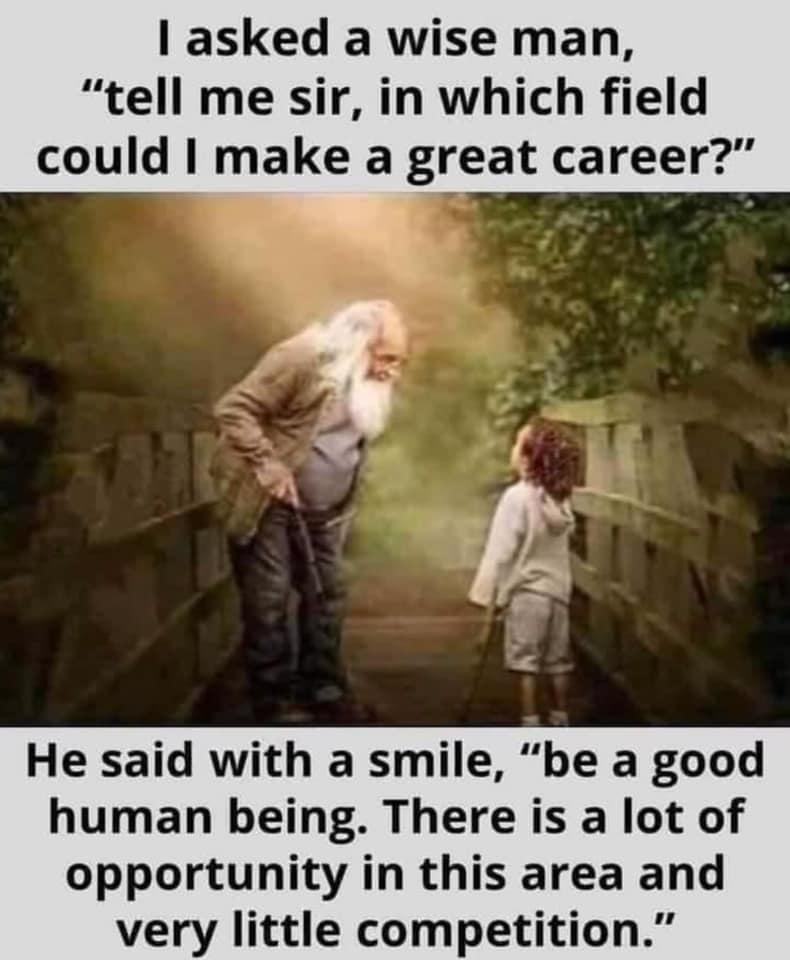

An excellent article on coming out LGBT to Christian parents.
A note on comments: Comments on letters to Papabear are welcome, especially those that offer extra helpful advice and add something to the conversation that is of use to the letter writer and those reading this column. Also welcome are constructive criticisms and opposing views. What is NOT welcome are hateful, hurtful comments, flaming, and trolling. Such comments will be deleted from this site. Thank you.
|
 RSS Feed